
Google's March 2026 core update: what we know, and what to watch
Google's March 2026 core update is rolling out now. Here's what the early signals suggest and the three SEO audits worth running — once the dust settles.
Google's March 2026 core update started rolling out this week. If you manage SEO for a brand with meaningful organic traffic, you'll have felt the instinct already: check rankings obsessively, make changes, publish more content. Resist it.
Core updates take two to three weeks to fully roll out. Rankings during a rollout are unstable in ways that don't reflect the final state. Making significant changes to your site while an update is in progress is like steering by a compass that's still settling. Here's what we know, what to watch, and — crucially — when to act.
What core updates actually target
Google is consistent in its messaging: core updates are not penalty-based. They're recalibrations of how Google's systems weigh quality signals across the web. Sites that lose visibility weren't necessarily doing something wrong — they may have been outweighed by content that better satisfies what Google is now looking for.
The signals that core updates tend to affect cluster around a few themes:
Content depth and specificity — thin category pages, sparse product descriptions, content that addresses a topic superficially without demonstrating genuine knowledge.

E-E-A-T signals — authorship, expertise markers, citations, and the overall trustworthiness of the page and domain.
Helpful content — content written to satisfy a user need versus content written primarily to rank. Google's Helpful Content system is now part of the core ranking algorithm.
Page experience — Core Web Vitals, mobile usability, and intrusive interstitials continue to be weighted, though they're rarely the primary cause of core update volatility.
What the early signals suggest
It's too early to draw firm conclusions — the update is days old. But early chatter in the SEO community points to movement in two areas.
AI-generated content without editorial oversight — sites publishing at scale with thin editorial control appear to be taking the biggest hits. The signal is consistent with Google's previous updates: volume without quality is a liability, not an asset.
YMYL and informational content — health, finance, and high-stakes informational content continues to see the sharpest volatility in core updates. If your site has thin informational content in categories that matter to users' wellbeing or financial decisions, that's where your exposure is highest.
Ecommerce and DTC brands with primarily transactional content tend to see less volatility than content-heavy sites — but that's not a reason for complacency if your organic traffic has grown on the back of blog or category content.
Three audits worth running — after the update settles
Don't run these this week. Wait until the rollout is complete (typically two to three weeks from
announcement) and your Search Console data has stabilised. Then:
1. Content quality audit
Export your top 50 pages by organic sessions from Search Console. For each, ask: is this
page genuinely useful to someone searching for this topic? Does it answer the query better
than the first three results currently ranking? Pages that don't clear that bar are candidates
for improvement — not deletion.
2. E-E-A-T signal review
Check your key landing pages and top content pieces. Do they have a named author? An
author bio? Are claims supported by sources where relevant? For DTC brands, this matters
most on editorial and content pages — product pages have inherent E-E-A-T signals through
reviews and product specificity.
3. Search Console impressions vs. clicks
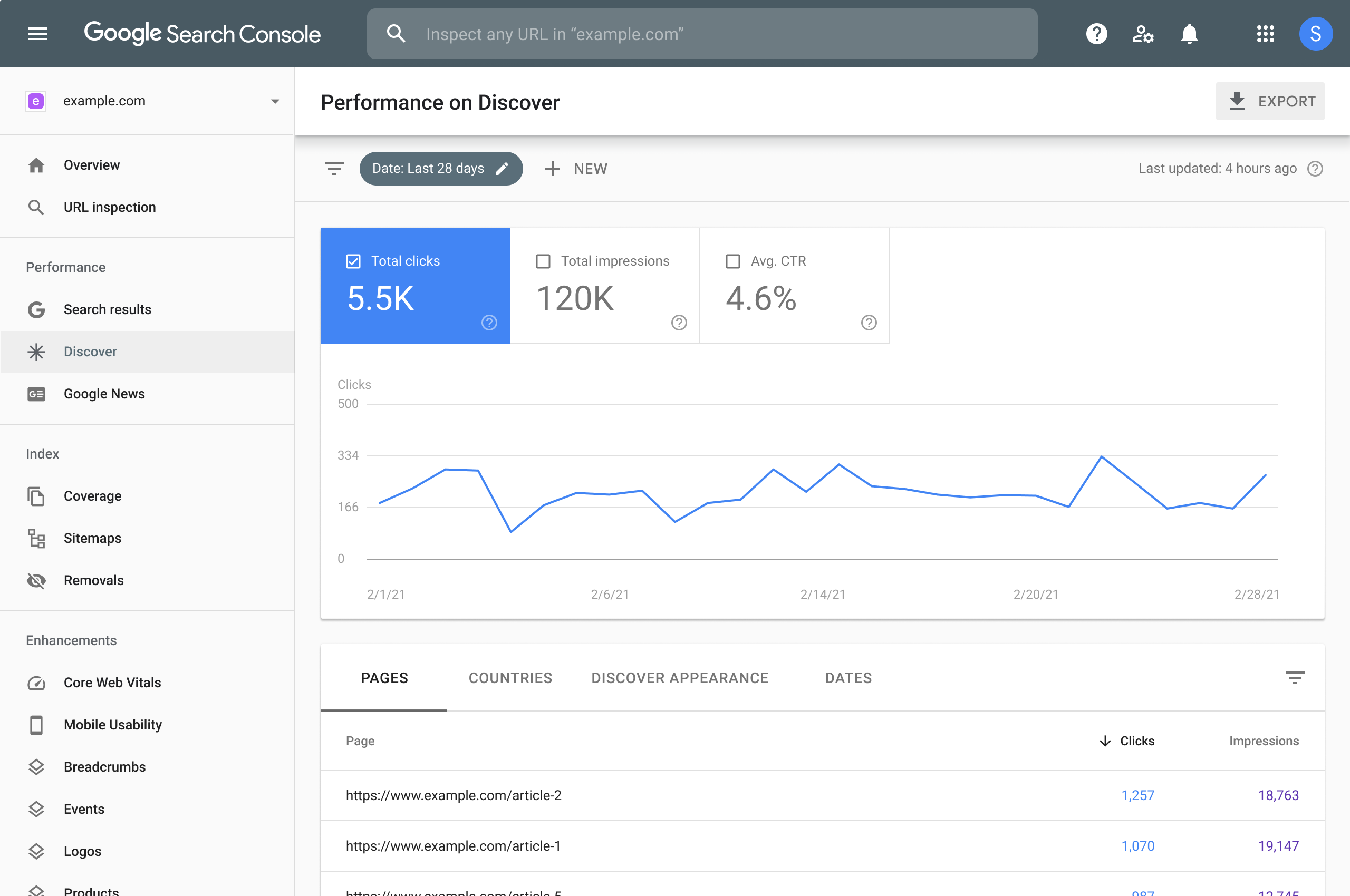
Don't just track ranking positions. Look at your impressions trend in Search Console for the
past 90 days. A significant drop in impressions — even without a corresponding click drop —
is often the earliest signal that visibility is declining. This tells you where to focus before the
click data confirms it.
What not to do
Don't delete pages on the basis of a core update. Don't publish a batch of new content mid-
rollout hoping it will buffer against losses. Don't change your title tags or H1s en masse while
rankings are still moving — you'll introduce variables you can't isolate later.
What to do this week
1. Document your current ranking positions for your top 20 keywords. You'll need this
baseline when the update settles to measure what actually moved.
2. Check Search Console for any large drops in impressions over the past 7 days. Flag the
pages, but don't act on them yet.
3. If your site has a blog or resource section using AI-generated content with light editorial
oversight, put a freeze on new publishing until you understand the update's impact.
4. Set a calendar reminder for 14 April to run the three audits above once the update has
likely completed.
FAQ
My rankings dropped overnight. Is it definitely the core update?
Not necessarily. It could be a technical issue, a competitor change, or incidental crawling behaviour. Check Google Search Console for manual actions or coverage errors before attributing a ranking drop to the core update.
Should I publish more content to recover from a core update loss?
Publishing more content isn't a recovery strategy. Google's guidance is consistent: improve the quality of existing content first. More pages won't dilute the signal of underperforming ones.


23.png)


