
How to Use Tools for Competitor Landing Page Analysis
Analysing your competitors’ landing pages is a smart way to improve your own marketing performance. By studying their designs, keywords, and conversion tactics, you can find ways to attract more customers and make better use of your ad budget.
Here's what you need to know:
- Why It Matters: Spot gaps in your campaigns, benchmark your performance, and identify what works for your audience.
- Main Goals: Boost conversion rates, improve user experience, and allocate ad spend more effectively.
- Top Tools:
- SEMrush: Great for keyword research, traffic data, and ad insights.
- SimilarWeb: Offers real-time traffic breakdowns and audience demographics.
- Google Analytics: Helps compare your performance with competitors and track key metrics.
Key Steps:
- Identify competitors and their top landing pages.
- Analyse traffic sources, conversion rates, and user experience.
- Use tools to gather data and refine your strategy.
Here’s how each tool shines: SEMrush is brilliant for keyword and traffic analysis, SimilarWeb provides real-time traffic insights and audience behaviour, and Google Analytics delivers powerful benchmarking tools. Together, they give you a well-rounded view of your competition, helping you uncover opportunities to fine-tune your landing pages.
How to Use SEMrush for Landing Page Analysis
Think of SEMrush as your go-to toolkit for competitive intelligence. Start by entering a competitor’s domain into the Domain Overview section. This will give you a snapshot of their keyword rankings, backlink profiles, and their most successful landing pages.
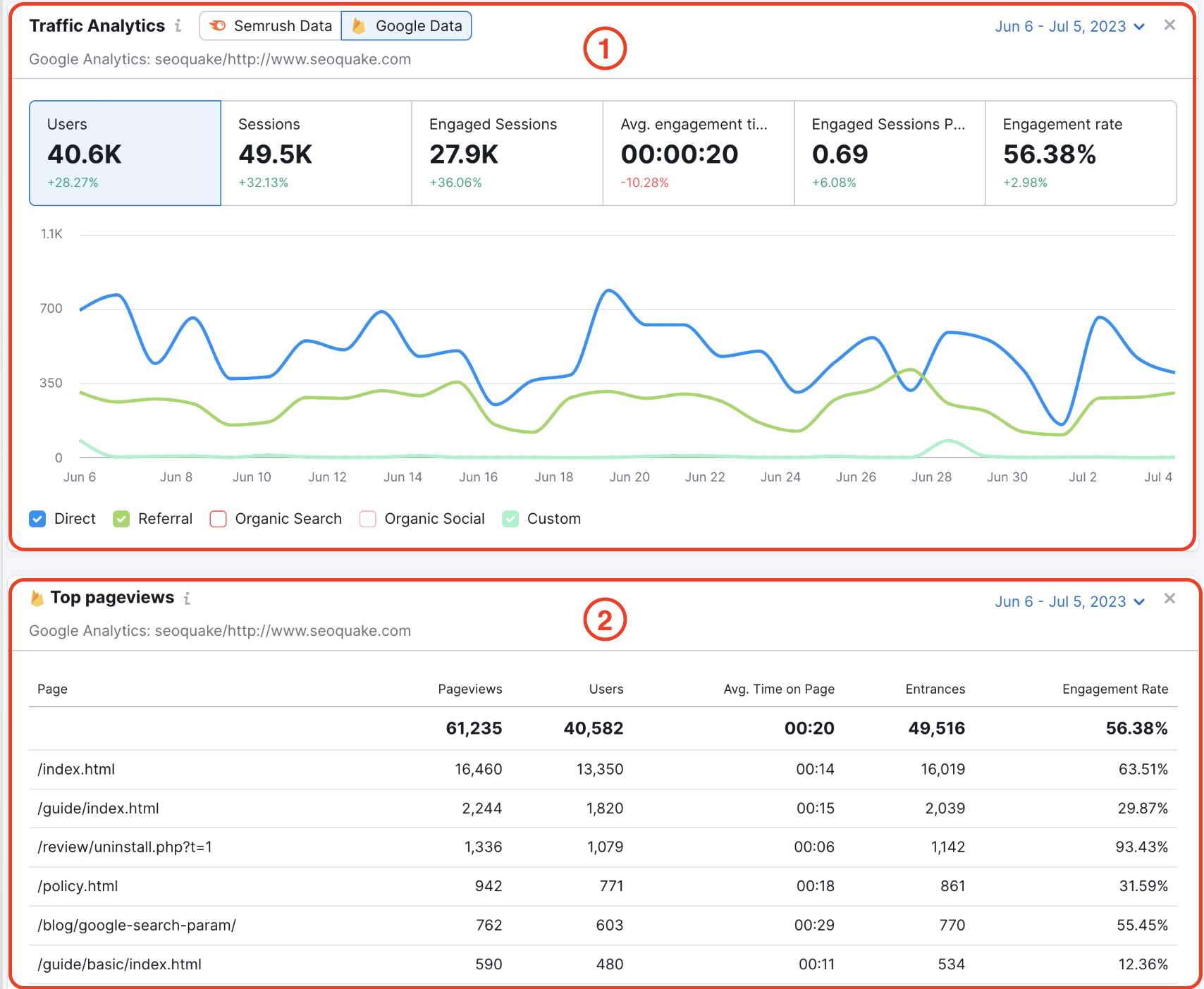
The Traffic Analytics feature is particularly useful for UK businesses. It allows you to filter traffic data by location, showing which pages are driving the most UK-based traffic and conversions. For a deeper dive, the Organic Research tool reveals which landing pages rank highest for valuable keywords. You’ll also get insights into search terms, estimated traffic volumes, and keyword difficulty scores.
Using SimilarWeb to Check Competitor Traffic
If you’re after real-time insights, SimilarWeb is your best friend. Its Landing Page Analyzer gives you a clear view of your competitors’ top-performing paid pages. You’ll see traffic share data, estimated CPC spend in GBP, and the performance of paid keywords.
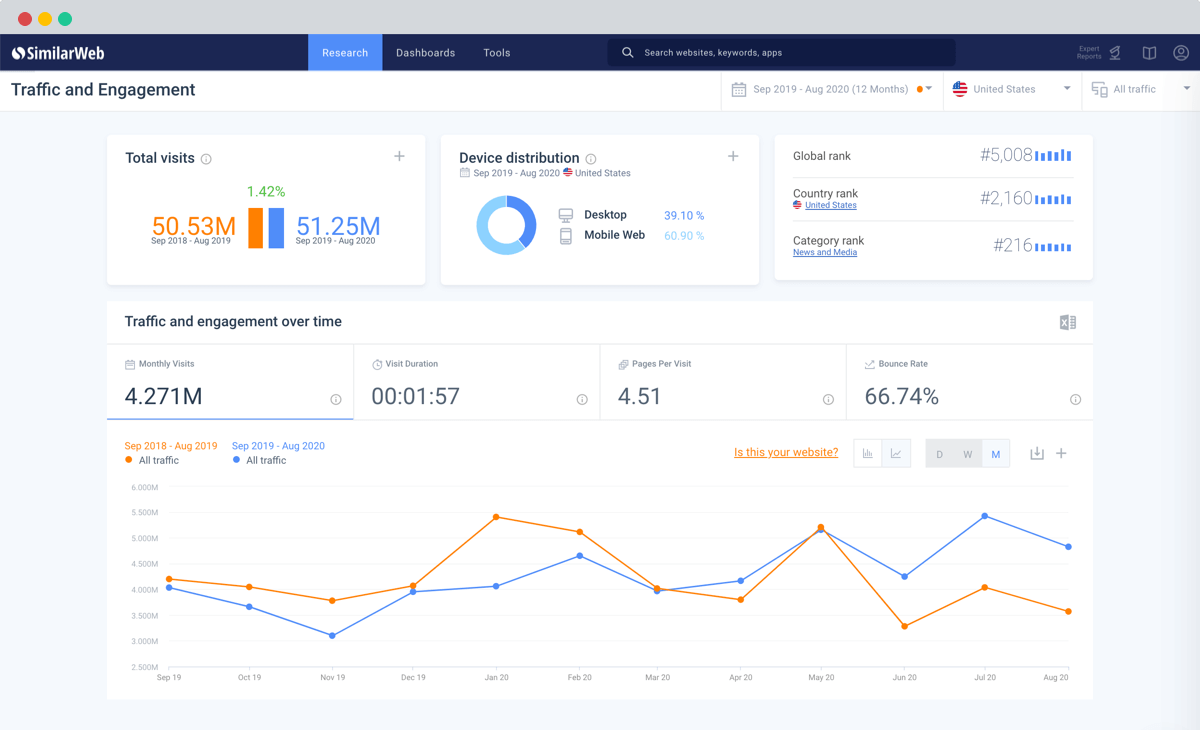
The tool also breaks down traffic sources, showing how much of their audience comes from ads, organic search, social media, or direct visits. Its extensive dataset means you’re working with up-to-date information.
Want to know more about who’s visiting your competitors’ pages? The Audience Demographics feature provides details on visitor age groups, interests, and geographic locations. Plus, its ad creative analysis lets you see the messaging and visuals driving traffic to those landing pages. These insights can directly inform how you craft your own page messaging and targeting strategies.
Using Google Analytics for Competitive Insights
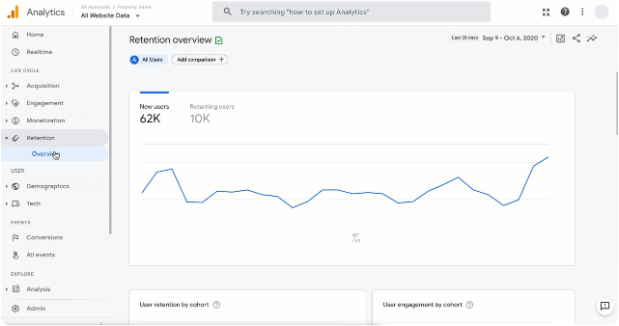
Google Analytics is a powerhouse when it comes to benchmarking. It allows you to compare essential metrics - like bounce rate, conversion rate, and average session duration - against industry averages and indirect competitors.
The Intelligence Events feature is particularly handy, as it flags major market shifts that might affect your strategy. You can also segment your audience by location to gain insights into UK-specific user behaviour, such as device preferences and conversion patterns.
The Acquisition Reports highlight which channels are driving the most valuable traffic to your landing pages. By integrating Google Ads and Search Console, you can view both paid and organic performance side by side. And with the Custom Reports feature, you can create dashboards that compare your metrics with industry benchmarks.
These comparisons can guide you in making precise adjustments to improve your landing pages and stay ahead in the competitive landscape.
Step-by-Step Guide to Analysing Competitor Landing Pages
Now that you’ve got your tools in place, let’s dive into the process of analysing competitor landing pages. By following this structured approach, you’ll uncover actionable insights to refine your strategy.
- Identify Competitors:
- Enter primary keywords into SEMrush’s Domain Overview tool.
- This generates a list of websites ranking for similar terms in the UK market.
- Look at both obvious and surprising competitors attracting your target audience.
- Filter Traffic & Pinpoint Top Pages:
- Use SEMrush’s Traffic Analytics to filter the compiled competitor list by UK traffic.
- Pinpoint landing pages driving the most UK visitors.
- Pay attention to pages with high traffic and strong keyword rankings.
- Deep Dive with SimilarWeb:
- Use SimilarWeb’s Landing Page Analyzer to break down traffic by device and location.
- Filter data to focus on UK competitors with similar products/services.
- Identify their top-performing pages.
- Analyze traffic source (paid ads, organic search, or social media) to understand their marketing strategy.
- Check Organic Search Visibility:
- Search your key product or service terms directly on Google.
- Note competitors that consistently appear in the top results.
- Strong organic rankings suggest well-optimised landing pages, which should be prioritised for analysis.
Key Metrics to Analyse
- Unique visitors
- Bounce rate
- Average session duration
- Estimated conversion rates
Segment this data by device type to understand how well their pages perform across different platforms. High conversion rates paired with low bounce rates are a strong indicator of effective landing page design and messaging. On the other hand, high cost-per-click figures might signal competitive keywords that could either be worth targeting or avoiding, depending on your budget.
Conclusion and Key Takeaways
Let's wrap things up by pulling together the most important insights and practical steps for UK businesses from the analysis above.
Analysing competitor landing pages is a game-changer for understanding what drives traffic and conversions in your industry. Regularly studying your competitors not only improves your conversion rates but also boosts organic traffic - something every business can benefit from.
By learning from your competitors’ strategies, you can fine-tune your landing pages to better connect with and convert your target audience. Now, it’s time to turn these insights into action.
Next Steps for UK Businesses
The real impact comes from implementation. Once you’ve completed your competitor landing page analysis, it’s crucial to act on the data. This might mean tweaking your ad copy to echo what works for competitors, improving user experience features that stand out on their pages, or honing in on high-value keywords you’ve uncovered during your research.
To stay ahead, set up a system for ongoing monitoring. Quarterly reviews of competitor strategies, paired with real-time tracking, will help you stay agile and respond quickly to shifts in the market. This approach keeps your strategies sharp and your business competitive.
UK businesses have seen measurable results by applying these strategies - conversion rates have increased by as much as 18%, and cost per acquisition has dropped by 22% within just a few months of implementation.
The businesses that thrive are those that consistently act on their findings and adapt to the ever-changing market landscape. With the right tools, regular reviews, and a commitment to making data-driven decisions, Businesses can transform competitor landing page analysis into a powerful strategy for improving visibility, boosting conversion rates, and driving revenue growth.


23.png)


