
The “Search Everywhere” Problem: Why Optimising Only for Google Is Leaving Money on the Table
Your customers are searching on TikTok, Reddit, ChatGPT, and Amazon — not just Google. Here’s what optimisation actually looks like across these platforms.
The assumption that’s quietly costing you
Most SEO strategies still start and end with Google. Keyword research in Google tools, content optimised for Google’s algorithm, rankings tracked in Google SERPs. It makes sense — Google still dominates search volume.
But it’s an increasingly incomplete picture. A growing share of product discovery, research, and purchase-intent queries is happening on platforms that don’t show up in your Google Search Console data. And if you’re only optimising for Google, you’re invisible in the places where your customers are already looking.
Where people are actually searching
TikTok
For DTC brands especially, TikTok has become a genuine search engine. Users search for product reviews, comparisons, tutorials, and recommendations directly inthe app. Google’s own research has acknowledged that younger demographics often start product discovery on TikTok rather than Google.
The content that ranks on TikTok search isn’t optimised with meta descriptions and header tags. It’s optimised with hooks, captions, hashtags, and creator credibility. A completely different skill set — but one that drives purchase intent.
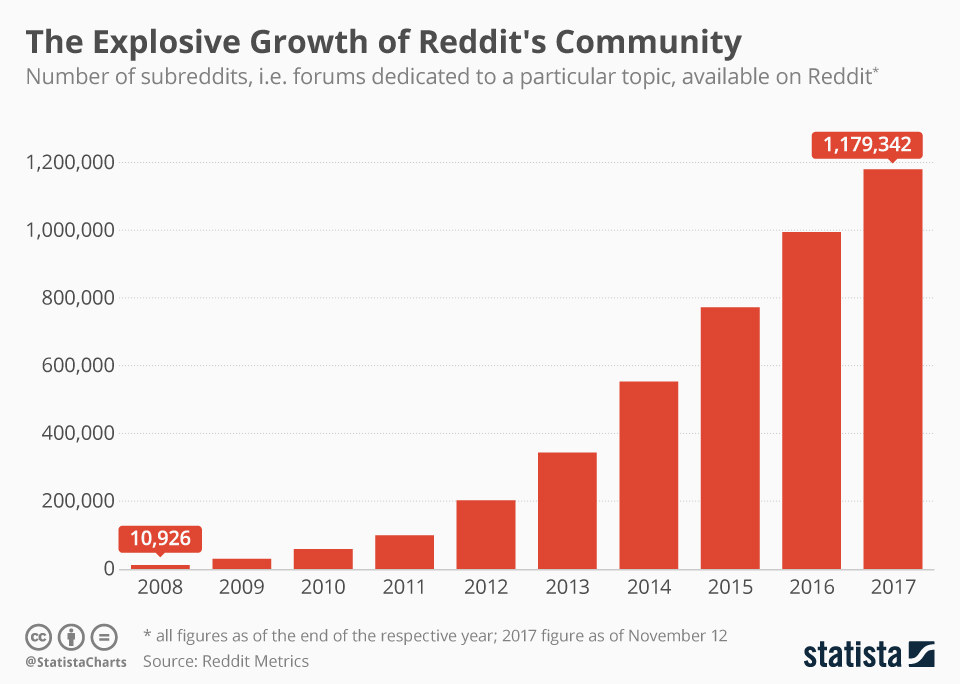
Reddit appears in Google results constantly — you’ve seen the “site:reddit.com”
phenomenon. But people also search directly on Reddit for unfiltered opinions. “Best
running shoes 2026 reddit” is a Google query, but plenty of users skip Google entirely
and search Reddit natively.
For brands, this means community presence matters. Not advertising — genuine
participation. Brands that show up authentically in Reddit threads have a visibility
advantage that no title tag can replicate.
ChatGPT and AI search tools
When someone asks ChatGPT “what’s the best project management tool for a small
team?” they’re performing a search — just not on Google. The answer they get is
shaped by the training data and, increasingly, by real-time web access that pulls from
your content.
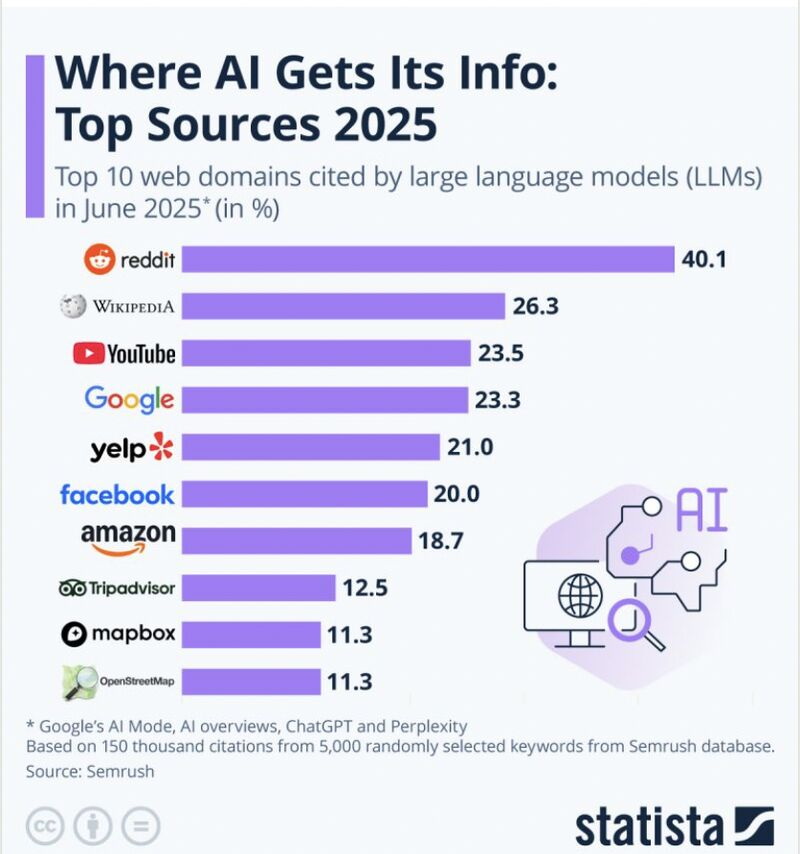
Optimising for AI search visibility means making your content structured, clear, and
quotable. AI tools favour content that directly answers questions with specificity —
not content buried behind walls of filler text.
Amazon
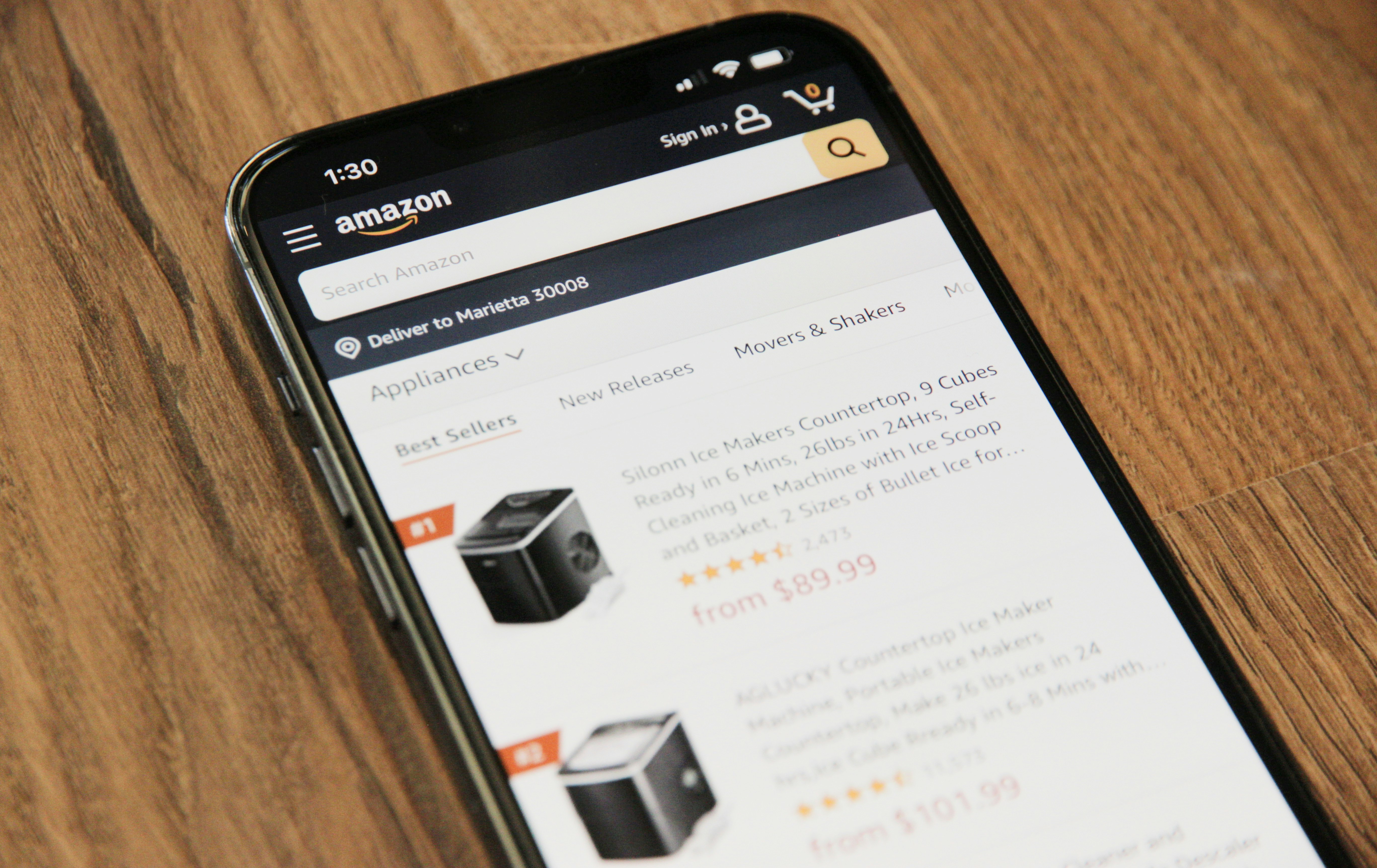
For e-commerce brands, Amazon search is where purchase intent is highest.
Someone searching “wireless earbuds under £50” on Amazon is closer to buying
than someone searching the same thing on Google. Amazon SEO — title
optimisation, bullet points, A+ content, review velocity — is a discipline of its own.
YouTube
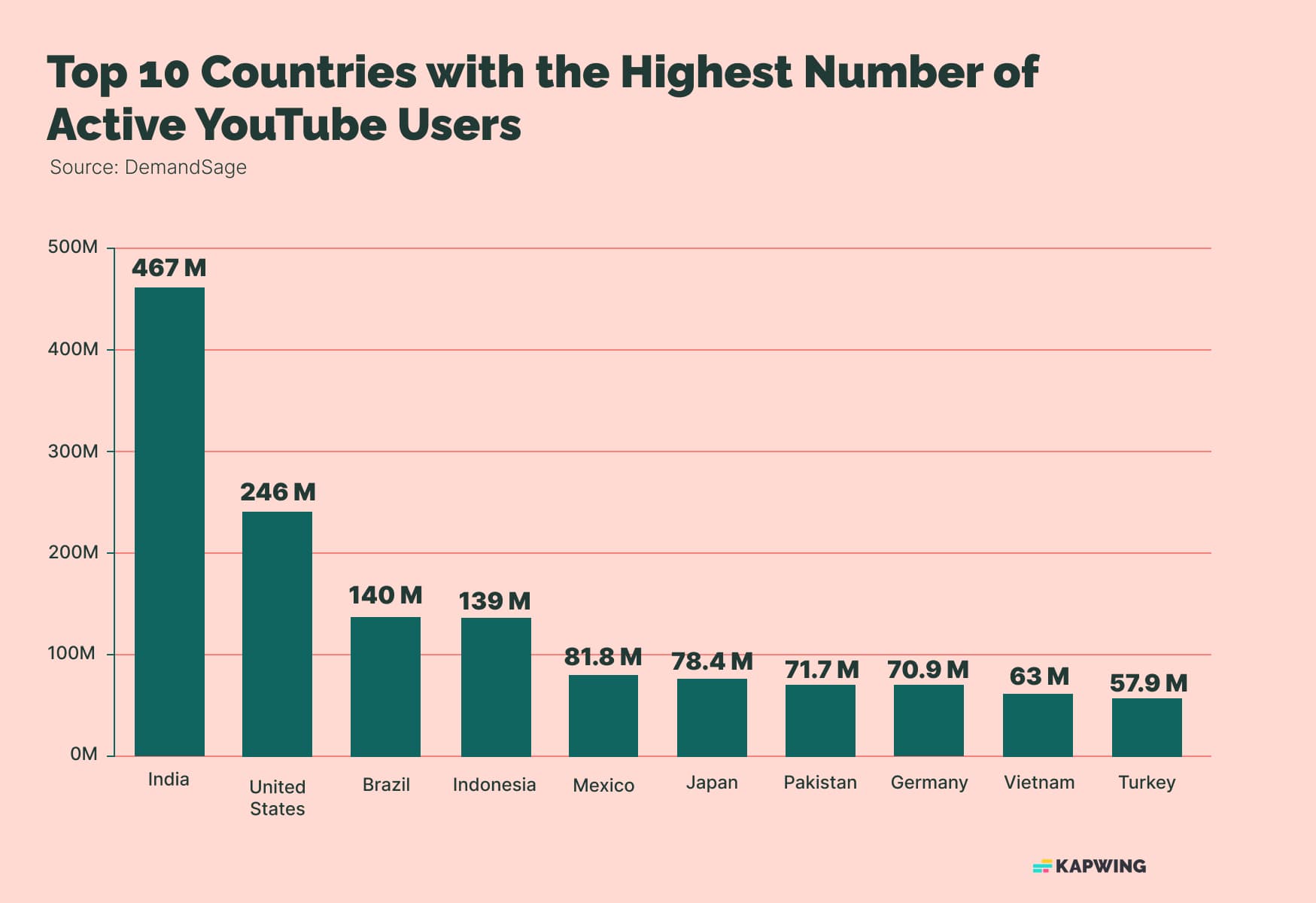
The second-largest search engine by volume. For how-to queries, product
comparisons, and educational content, YouTube often outperforms Google in
engagement and conversion influence. Video content that answers search queries
drives traffic that doesn’t appear in your Google analytics unless you’re tracking it
deliberately.
Why this isn’t just an SEO problem
The “search everywhere” shift has implications beyond organic visibility:
- Paid social strategy: If product discovery is happening on TikTok, your paid
social creative needs to function as search content — answering questions,
not just interrupting feeds.
- Content strategy: A blog post optimised for Google won’t automatically
perform on Reddit or TikTok. Each platform rewards different formats, tones,
and structures.
- Attribution: Traffic from AI search tools, Reddit, and TikTok search is often
misattributed or uncaptured in GA4. Your “direct” traffic bucket is probably
hiding search behaviour from platforms you’re not tracking.
What “optimisation” actually means on each platform
TikTok search optimisation
- Use searchable keywords in video captions and on-screen text
- Create content that directly answers common questions in your niche
- Post consistently — TikTok’s algorithm favours accounts with regular output
- Monitor TikTok’s “search insights” tool for trending queries in your category
Reddit optimisation
- Build genuine community presence — not promotional posts
- Create content on your site that’s worth linking to in Reddit discussions (tools,
original research, comparison data) - Monitor subreddits relevant to your product category for common questions
- Don’t try to game it — Reddit communities are allergic to marketing
AI search optimisation
- Structure content with clear question-and-answer formats
- Use specific, factual claims that AI tools can extract and cite
- Ensure your site is crawlable by AI bots (GPTBot, ClaudeBot, PerplexityBot) — check your robots.txt
- Build topical authority through depth, not just volume
Amazon search optimisation
- Front-load keywords in product titles (the first 80 characters matter most)
- Use all five bullet points with benefit-led copy that includes search terms
- Invest in A+ content for conversion rate, which feeds back into search ranking
- Drive external traffic to Amazon listings to boost search velocity
How to start without overcomplicating it
You don’t need to optimise for every platform simultaneously. Start with where your
customers are:
- Check your analytics. Look at your referral traffic. Where is it coming from
beyond Google? What’s hiding in “direct” that might be social or AI search?
- Ask your customers. Genuinely. “How did you find us?” in a post-purchase
survey often reveals platforms you hadn’t considered.
- Pick one additional platform. If you’re a DTC brand, TikTok search is
probably the highest-impact addition. If you’re B2B or lead gen, Reddit and AI
search tools likely matter more.
- Repurpose, don’t recreate. Your existing blog content can be adapted into
TikTok scripts, Reddit-friendly formats, or AI-optimised Q&A structures. You
don’t need entirely new content — you need the same insights in different
shapes.
- Track what you can. Set up UTM parameters for any content you distribute
beyond your site. Accept that some platforms (Reddit, AI tools) will resist
perfect attribution — use directional data rather than waiting for perfect data.
FAQ
Does this mean Google SEO doesn’t matter anymore?
No. Google still drives the majority of search traffic for most businesses. But relying
solely on Google means missing a growing share of discovery and intent. Think of it
as expanding your coverage, not replacing your foundation.
How do I prioritise which platforms to focus on?
Follow your audience. If you sell to 18–30-year-olds, TikTok search probably matters
more than Reddit. If you sell complex B2B services, AI search tools and Reddit may
be more relevant. Let your customer data guide the decision, not platform hype.
Is this just a trend or a lasting shift?
The fragmentation of search is structural, not cyclical. As AI tools, social platforms,
and marketplaces improve their search capabilities, the share of queries going to
Google will continue to decline gradually. Optimising for multiple surfaces is a long-
term strategy, not a short-term tactic.


23.png)


